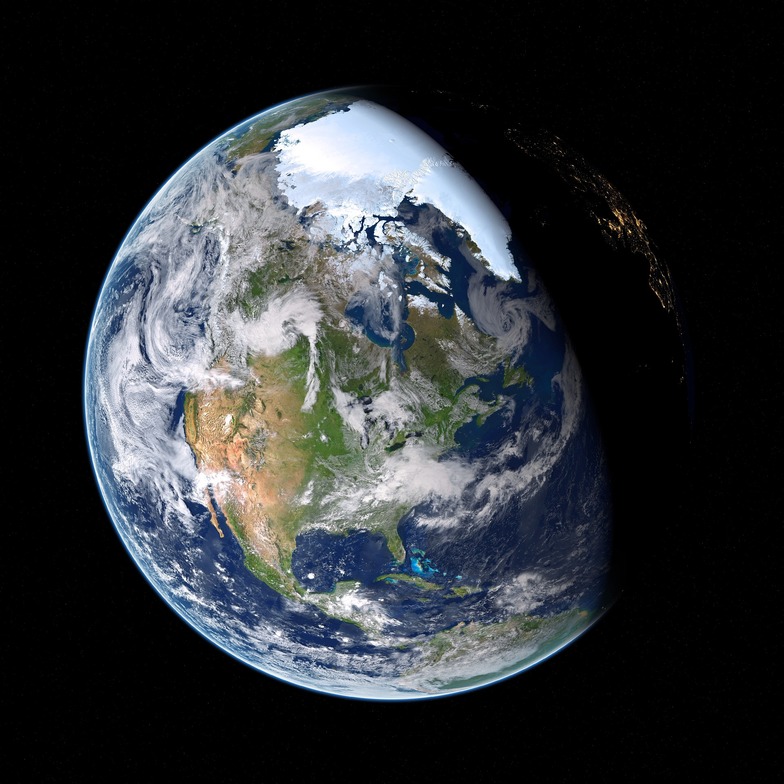
After more than a half-century of Earth Day celebrations, much has changed. Media coverage on climate change has exploded leading to growing societal awareness and recycling habits; we have the Paris Accord; annual COP gatherings; wind and solar farms plentiful on land and off coastal waters; renewables becoming cheaper than fossil fuels.
There is much to celebrate!
But what disheartens me is that (as Chat GPT tells me):
- atmospheric carbon dioxide levels have increased from in 1970 - 325 parts per million to greater than 420 parts per million in 2026 - an enormous increase.
- In 1970, global temperatures were 0.3% C warmer than preindustrial times; but today the world is as much as 1.2 to 1.3% warmer.
- we have moved from a stable climate in 1970 to one with extremes affecting us all - heat, atmospheric rivers, drought, forest fires, acidic oceans and food insecurity.
The WMO State of the Global Climate 2025 report tells a scientifically reliable story of climate change, breaking down information into eight key indicators. To understand the current state of climate change, this is an easy to access report with an excellent menu, explanations, data, and charts.
Still, within the context that climate change remains an existential threat, it is important to appreciate good news.
What did you do to acknowledge the 56th Anniversary of Earth Day celebrations?
Please send me a quick email (jimriva@gmail.com) with the subject: Earth Day.
I look forward to reading about your adventures.
Submitted by Jim Riva, member of Cathedral CATS
CATS (Climate Action Through Stewarding) is a Cathedral ministry that supports parishioners and our shared sustainability journey.