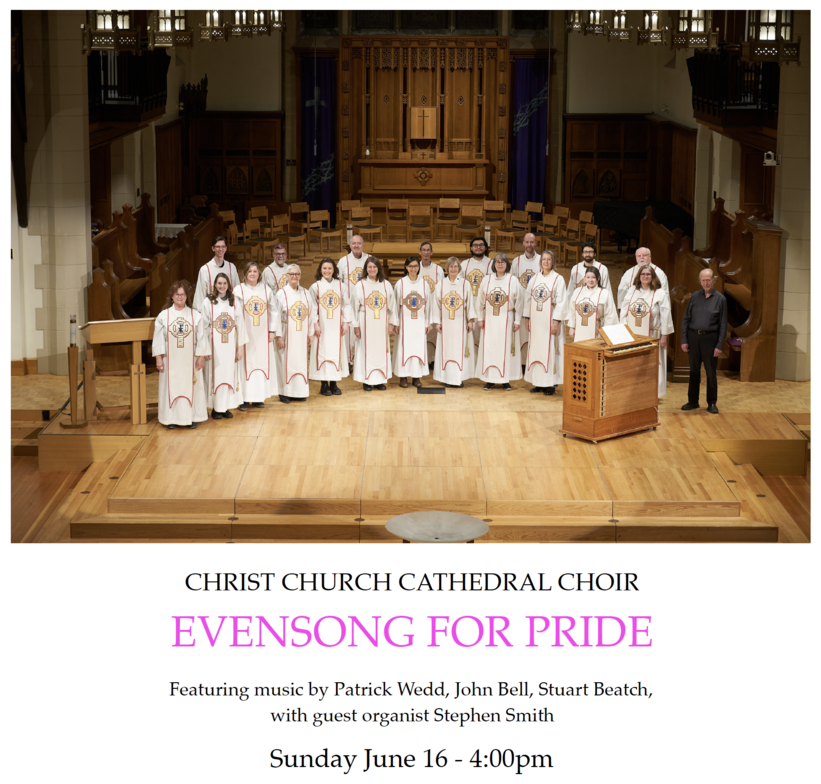
You know us Vancouverites—we always like to do things a bit differently, don’t we? When it comes to Pride, we reckon the weather’s just so much better in August for a proper outdoor party. But the roots of Pride are in June, when much of the free world marks two major milestones in the fight for LGBTQ+ rights. (We’ll still party in August, though!)
On June 27, 1969, Canada made significant progress by passing Bill C-150, which decriminalized homosexual acts between consenting adults. This was a major step forward, although full equality was still a distant goal. It wasn’t until 1995 that the Supreme Court officially prohibited discrimination based on sexual orientation. Today, the fight continues as our Trans community seeks equality and the right to safely live their own realities.
The day after Bill C-150 was passed, the Stonewall Riots broke out in New York City. This was a pivotal moment when the LGBTQ2+ community, led by trans women and drag queens, stood up against the police brutality they faced during a routine bar raid. Some historians even suggest that the collective grief over Judy Garland’s death just days earlier added fuel to their defiance.
Through it all, religious institutions have played a rather complicated role. On one hand, they’ve been a sanctuary where some LGBTQ2+ individuals found that all-important community and spiritual nurturing. But on the other, they’ve also been places where people had to hide their queer identities out of fear. Through it all, us queer folk have been “hiding in plain sight,” since the church began, contributing to worship and liturgy worldwide.
Our own diocese was right at the forefront of the same-sex marriage debate within the Canadian Anglican Church, and our Cathedral, with its “Open Hearts, Open Minds, Open Doors” motto, has tried its best to be a welcoming space that celebrates the contributions of the LGBTQ+ community. That’s exactly what we’re doing on Sunday, June 16—honouring the legacies and talents of queer composers and poets through beautiful hymns, moving poetry, and glorious choral music at our services. It’s a small way to recognize the struggles and triumphs of a community that has fought so hard in the past for acceptance and equality, and continues to do so today.